
If you have one restaurant, a menu can be a little chaotic and still work. Someone on the team remembers the quirks, someone else knows the “real” portion even if the recipe card is fuzzy, and the kitchen can quietly compensate when an ingredient shows up slightly different than usual. That is the charm and the danger of a single unit operation. You can get away with improvisation because the same few people are always there to rescue the day.
Then you open your second, third, tenth location, and the menu starts acting like gossip. It changes as it travels. A sauce gets sweeter at one store because the cook thinks it tastes better. Portions drift because the spoon is different, the scale is missing, or the line is moving too fast to measure. Guests do not always complain, which is almost worse, because the brand damage happens silently. They just stop trusting the order they used to love.
This article is for multi-unit operators, franchise leaders, and growth-minded restaurant teams who want to expand without sacrificing consistency, speed, and margins. The goal is practical and factual: how to design a menu that scales cleanly across locations by building a repeatable system, not by hoping your best people can keep performing miracles forever.
Key Takeaways
- If an item cannot be executed consistently during peak hours by an average shift, it does not belong in the core menu.
- Complexity is a cost you pay every day, and many operators streamline to best selling items that are quicker and easier to prepare when costs rise.
- Shared platform ingredients reduce SKUs, simplify training, and stabilize purchasing while still giving guests real variety.
- Clear specs and standards keep every location consistent by locking recipes, yields, portion tools, and plating expectations.
- A simple approval process for new items prevents menu creep and keeps innovation focused.
- Food safety and allergen discipline must scale with growth by using FDA Food Code principles and aligning Canadian operations with SFCR and allergen guidance.
What “Scalable” Really Means in a Multi-Unit Menu?
When people say scalable, they sometimes mean “we can add more items.” In a multi-unit reality, scalable means something more useful: you can reproduce the same guest experience across locations without relying on heroics. It is the difference between a menu that looks good and a menu that behaves well.
A scalable menu has a few obvious traits once you know what to look for. It is sourceable across your footprint without constant substitutions. It is trainable, meaning a new hire can learn it with clear standards and minimal tribal knowledge. It is executable, meaning the item survives peak periods without turning ticket times into a horror movie. It is profitable, meaning food cost and labor assumptions hold up when volume changes and staffing shifts.
And yes, it can still feel distinctive. Scalable does not mean bland. It means controlled.
The Secret: Build a Menu System, Not Just a Menu
Here is the core truth that makes everything else click: you are not scaling dishes, you are scaling a system. That system includes menu architecture, ingredient strategy, specifications, training, supply chain alignment, and change control. If one of those pieces is missing, you can still grow, but you will feel it in inconsistencies, waste, and margin erosion.
If you want a mental model that sticks, treat your menu like an operating system. It needs rules, standards, and controlled updates. Without that, every location becomes its own little software fork, and soon you are running ten versions of the same concept. Guests notice. Your P and L definitely notice.
Core menu and flex menu
The first structural move is separating your menu into two layers: Core menu and Flex menu.
Your core menu is the promise of the brand. These are the items guests expect to be identical everywhere, every time. If your core items are inconsistent, your brand is not a brand; it is a logo. Core items should be high volume, operationally stable, easy to train, and easy to audit.
Your flex menu keeps you fresh without destabilizing operations. Seasonal features, limited-time offers, and controlled regional preferences belong here. The trick is that flex still needs guardrails. It is flexible, not free-for-all. The moment individual stores can add items without a clear process, you are no longer running a scalable menu; you are running a menu experiment at scale, which is a bold strategy if your goal is sleep.
Platform Ingredients: The Quiet Engine of Scalable Menus
Platform ingredients are not glamorous, but they are powerful. A platform ingredient is a base component used across multiple items. Think of it as building with reusable modules instead of inventing a brand-new ingredient list for every dish.
Here is what platforming looks like in practice. A chicken prep becomes a bowl topper, a sandwich protein, and a salad add-on. A sauce base becomes a dip, a drizzle, and a finishing marinade through controlled variations. A roasted vegetable mix becomes a side, a wrap filler, and a grain bowl component. Guests experience variety because the format, texture, garnish, and finishing change. Operations experience simplicity because the backbone stays consistent.
Now, there is a fair objection here. Operators worry that platforming creates menu fatigue, as everything tastes related in a way guests can detect. That can happen if you treat platforming as copy-and-paste. Done well, platforming is about shared prep, not identical flavor. You create difference through finishing, crunch, acid, heat, and presentation, while keeping the prep system stable.
This is exactly why menu streamlining often appears in operator strategies when costs and labor are tight. If you reduce the number of unique ingredients and unique processes, you lower waste, simplify training, and reduce the chance of execution errors.
Specs That Travel: Stop Letting Recipes Turn Into Rumors
A recipe in someone’s head is not a recipe. It is a story that changes every time it is told. In one store, “a scoop” means 3 ounces. In another store, it means “whatever fits in the ladle.” That might feel minor until you multiply it by thousands of transactions.
At scale, specs protect consistency and margins. They also reduce arguments, because nothing starts a back-of-house debate faster than two confident people disagreeing about what “the right way” is.
You do not need to spec every garnish on day one. Start with what drives brand perception and financial impact. Focus on top sellers, signature items, high-margin items, high-variability items like proteins and sauces, and anything with allergen sensitivity.
What does a practical spec pack include?
A usable spec pack has enough detail to be executed correctly by new staff and enough clarity to be audited by leadership. It includes weights and measures, batch size, expected yield, portion size, portion tools, holding guidance, plating steps with photos, and clear substitution rules. When substitutions are not allowed, say so plainly. When they are allowed, define what “equivalent” means, because teams will otherwise interpret it creatively.
This is not bureaucracy for its own sake. It is how you keep a brand recognizable across distance and time.
The Peak Hour Test: Can It Be Executed Perfectly When It Matters?
Here is a question that cuts through wishful thinking fast: Can this item be executed perfectly during peak, by your average team, without heroics?
Notice the word perfectly. Not eventually. Not when the kitchen is fully staffed. Not when your best cook is leading the line. During peak, under real constraints, with real variability.
If the answer is no, you still have healthy choices. You can simplify the build. You can move complexity earlier into controlled prep. You can shift the item into the flex layer instead of the core. Or, and this one hurts a little but saves money, you can remove the item if it creates operational drag and does not deliver enough value.
This is where many brands get stuck emotionally. They love an item because it was part of the early story. That is understandable. But growth requires you to separate nostalgia from scalable reality. Your menu should not be a museum exhibit of everything you ever created.
Governance: How To Prevent Menu Creep Without Killing Innovation?
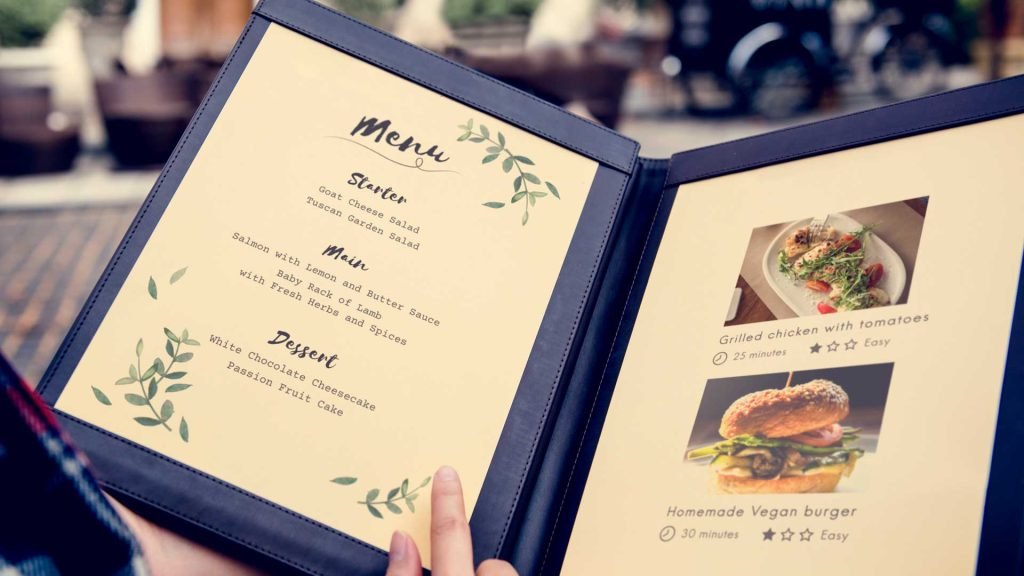
Menus do not become bloated overnight. They get bloated, the way closets do. One more thing, one more thing, one more thing, and suddenly you cannot find what matters. Governance is how you keep the menu intentional. It does not have to be complicated, but it does have to exist.
First, define the purpose of the change. Is it meant to drive traffic, improve margin, improve speed, reduce waste, or increase brand differentiation? If the purpose is unclear, the change is probably not worth destabilizing the system.
Second, prototype and write specs before rollout. Third, validate supply chain reality across your footprint, including shelf life, storage, vendor specs, and substitution plans. Fourth, pilot in controlled stores with proper training and measurement. Fifth, roll out with training materials updated, point of sale updated, and a quality check plan in place.
That is the difference between innovation and chaos. One is intentional. The other is a surprise you discover through guest complaints.
Food Safety and Allergen Discipline Must Scale Too
Scaling a menu means scaling risk controls, not just scaling recipes. That is why credible food safety frameworks matter. The FDA describes the Food Code as a model for best practices to ensure safe handling in retail and foodservice settings.
If you operate in Canada, you should also understand the SFCR framework and when it applies, particularly around imported, exported, or interprovincially traded food products, as described in CFIA resources and the regulations themselves.
For allergen awareness, Health Canada provides guidance on allergen and gluten source labelling, which is highly relevant for building internal discipline around ingredient communication and guest safety, even when you are not a packaged food manufacturer.
Training is part of scale, too. The National Restaurant Association highlights ServSafe programs as part of its training and certification ecosystem, and ServSafe positions its Food Handler training as a consistent solution for employees.
Frequently Asked Questions
How do I know if my menu is too big to scale?
Look behind the menu board. If you have many unique SKUs that support only one low-volume item, training takes forever, and execution varies noticeably by location, your menu is probably larger than your system can support. The number of menu items is not the real issue. The number of unique processes and unique ingredients is the real issue, because that is what multiplies complexity.
Will simplifying the menu hurt sales?
It can if you remove items guests truly love without a strategy, but simplification often helps sales indirectly by improving speed, consistency, and availability. The National Restaurant Association has described operators streamlining menus to focus on best-selling items that are easier and faster to prepare, thereby supporting efficiency as costs rise.
The smarter approach is to protect your winners, redesign your operational problem items, and remove low-demand items that add disproportionate complexity.
Should every location have the exact same menu?
Not always, and pretending it should can backfire in diverse markets. A core-and-flex structure usually scales better. Keep core items identical across locations, then allow controlled flex items that fit regional demand or seasonality, using platform ingredients and a clear approval process to prevent flex from becoming chaos.
What is the fastest way to improve consistency across locations?
Start with your top sellers and signature items, then standardize specs, portions, and plating. Make it easy to follow and easy to audit. Consistency improves fastest when the most ordered items are locked down first, because you quickly reduce the most visible variability.
What food safety resources are credible for multi-unit operators?
Many operators reference the FDA Food Code as a model for best practices, and Canadian operators should understand SFCR guidance and the regulations themselves for a broader food business context. For allergen communication discipline, Health Canada allergen resources are a strong reference point, and for training consistency, ServSafe is widely used in industry training ecosystems.
Final Thoughts
The secret to scalable menus for multi-unit restaurants is not a hidden ingredient or a clever marketing slogan. It is the unglamorous work of building a menu system that repeats well: core and flex architecture, platform ingredients, specs that travel, peak-hour realism, governance that prevents creep, and food-safety discipline that grows with you.
When you do this right, growth feels different. New locations stop feeling like a risk you hope you can manage. Guests stop playing menu roulette. Your teams stop improvising as often, which is great because improvisation belongs in jazz, not in portion control. Most importantly, your brand becomes trustworthy, and trust is what turns a multi-unit operation into a real multi-unit brand.
If you want help pressure testing your current menu for scalability, tightening specs, and building documentation that your teams can actually execute across locations, Enterprise Restaurant Consulting is built for that work. The fastest way to start is simple: review the menu like an operating system, identify the complexity tax, and redesign for repeatability before your next unit opens.