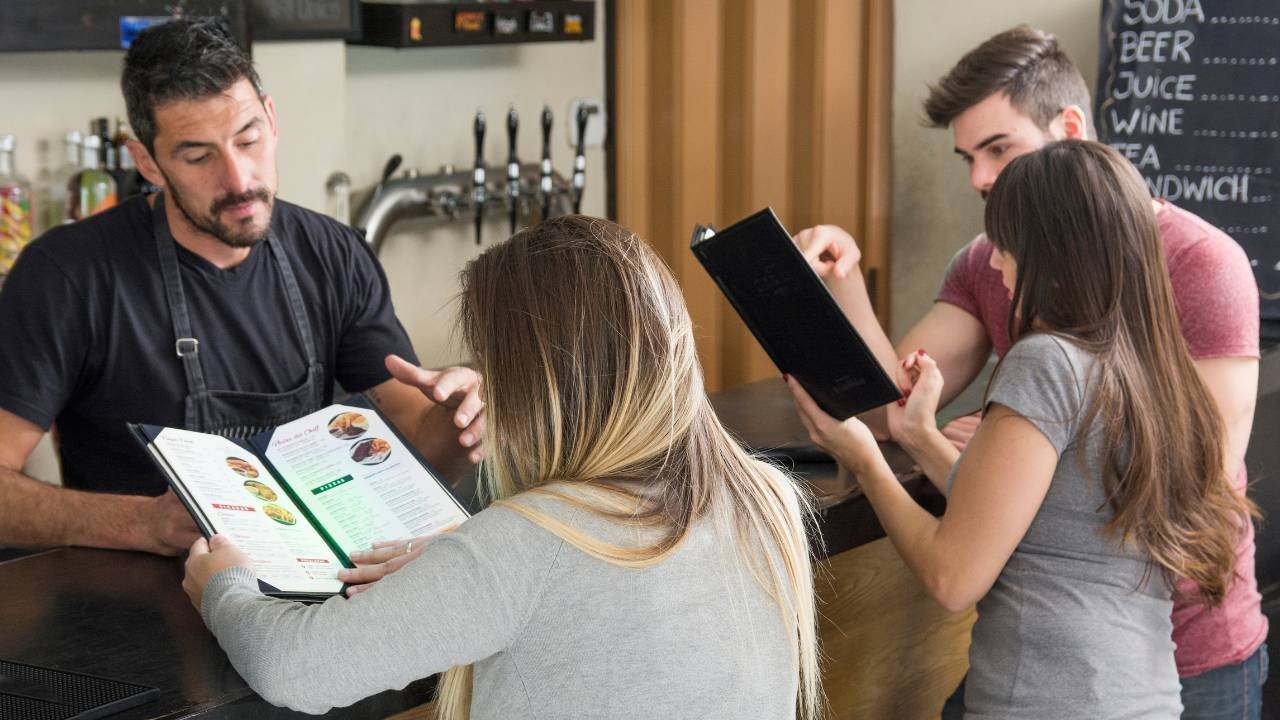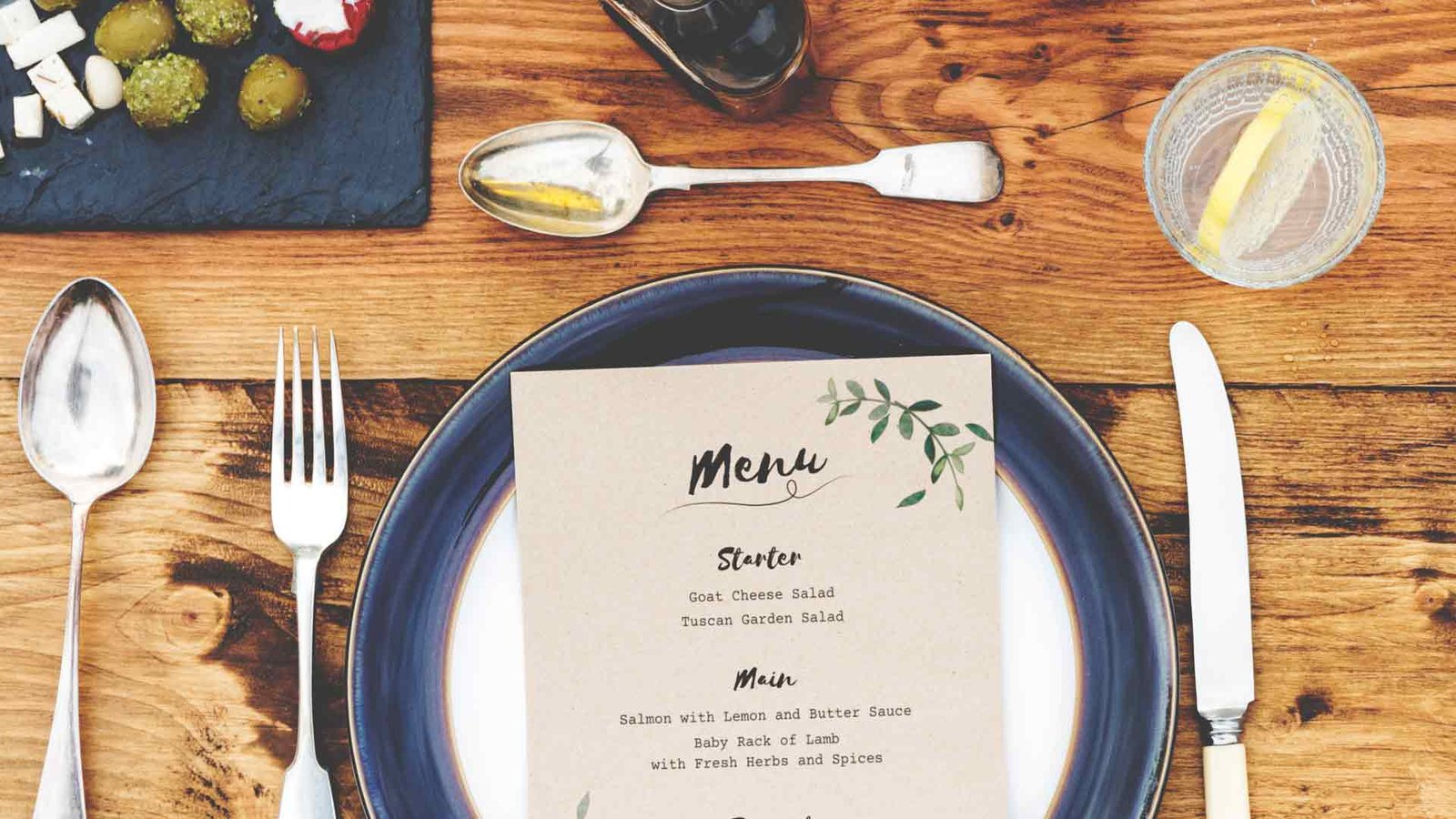

Delivery and takeout can look like “extra sales” on the surface, but the math is often harsher than dine-in. Third-party commissions, promotional spend, payment processing fees, refunds, missing items, and packaging can quietly erode margins, even when your menu price looks healthy. That’s why delivery menu engineering is not just copying your dine-in menu into an app. It’s building a separate, rule-based system that protects contribution margin, holds quality in a box, and keeps your kitchen fast under off-premise volume.
In this guide, you’ll learn how to price for commissions without scaring guests away, how to calculate packaging cost the right way, and how to set profitable item rules so your delivery menu engineering decisions are consistent, repeatable, and easy to manage month after month.
Key Takeaways
- Delivery and takeout profitability depends on contribution after fees, not just food cost percentage.
- Packaging is a real COGS line and must be costed per menu item, not averaged loosely.
- Not every dine-in item should be offered off-premise; create item eligibility rules based on travel quality, speed, and margin.
- Use a clear pricing model for each channel: in-house pickup, direct delivery, and third-party marketplaces.
- Engineer your menu with constraints: fewer SKUs, faster builds, tighter modifiers, and clearer bundles.
- A delivery menu should be reviewed on a schedule, with “fix lists” for the worst offenders and a test plan for changes.
Delivery Menu Engineering Starts With a Different Profit Target
Delivery menu engineering is the discipline of designing an off-premise menu that stays profitable after commissions, packaging, and the operational friction that comes with food traveling in a bag instead of landing on a plate.
Shortened summary: Off-premise needs its own profit logic because fees and packaging change the breakeven point.
Why do dine-in margins not translate to off-premise?
In dining rooms, you control the experience, upsells happen naturally, and your “cost to serve” is built into labor planning. With delivery and takeout, you’re paying extra for access, convenience, and reach, and you’re also absorbing new costs like containers, sealing, and the rework that comes from missing items or delayed drivers.
Common margin killers include:
- Third-party commission and service fees
- Promos funded by you (discounts, free item deals, BOGO structures)
- Packaging and labeling materials
- More frequent remakes and refunds
- Higher peak-time complexity from modifiers and combos
- Slower throughput if your line wasn’t designed for bagging
The takeaway is simple: you need a single, repeatable way to calculate profit per item for each channel.
The three-channel view you should use
To avoid confusion, split your world into three channels and engineer each one:
- In-house pickup (ordered direct, picked up)
- Direct delivery (you deliver, you own the customer)
- Third-party marketplaces (commission-based access)
Each channel carries different fees and fulfillment costs. When operators lump them together, they end up pricing incorrectly and making the wrong menu decisions.
What does “profitable” really mean in delivery?
For off-premises, profit isn’t based on food cost percentage. It’s contribution dollars after fees. A practical approach is to set a minimum per-item contribution target for delivery, a higher target for items that require extra labor or special packaging, and to block or redesign items that cannot consistently meet that target. If you want a good companion read, ERC already covers the foundation of costing in Restaurant Recipe Costing: How to Calculate Plate Cost and Protect Profit
Fees + Packaging: The Real Cost Stack You Must Price Against
The fastest way to fix delivery profitability is to stop guessing and start costing the full stack. This section gives you a clean framework you can use for every menu item.
Shortened summary: Price decisions should be based on total per-order costs, not only food costs.
Build a simple “net revenue per item” formula
Use the same workflow for each item. Start with the menu price the guest pays. Subtract marketplace commission and processing fees if you’re on a third-party platform. Subtract any discounts that you fund. Then subtract the food cost and the item-specific packaging cost. What remains is the contribution dollars you’re actually keeping. If contribution dollars are too low, you don’t need a debate. You need to correct the price, portion, packaging, or build time, or remove the item from delivery.
Packaging cost is not “miscellaneous”
Packaging is a controllable cost and behaves like COGS, so it requires the same discipline as your proteins and produce. The best way to cost packaging is to create a packaging “kit” for each menu category. A bowl item may require a different container and sealing approach than a sandwich, and liquid items may need double protection and bagging standards. When you cost packaging this way, you stop underpricing items that quietly burn profit, and you also see where standardization can reduce SKUs.
A proper packaging kit includes the container base and lid, insert cups for sauces, a tamper seal, label, a bag, and any included cutlery pack or napkins. For some menus, you may also need soup cups, beverage carriers, or dividers for multi-item meals. Once the kit is defined, assign it to the items that use it and treat that number like a cost line in your contribution math.
Practical packaging rules that protect margins
Packaging stays under control when you design it as a system rather than letting it grow haphazardly. Standardizing container types reduces purchase complexity and speeds bagging. Removing “free extras” that don’t increase revenue protects margin without hurting the guest experience. If premium packaging is necessary for quality, build that cost into pricing or offer it only where required. Sauce discipline matters too, because sauce cups and default quantities can become a silent cost leak across thousands of orders.
A profit test you can apply to any delivery item
Use the table below as a decision tool. You can build this in a spreadsheet and run it monthly on your top sellers.
| Item | Menu Price | Commission % | Discount Funded | Food Cost | Packaging Cost | Net After Fees* | Contribution $** | Pass/Fail Rule |
| Example Bowl | 18.99 | 25% | 1.00 | 5.10 | 0.85 | 13.24 | 7.29 | Pass if ≥ 6.00 |
| Example Burger Combo | 21.99 | 30% | 0.00 | 7.20 | 1.10 | 15.39 | 7.09 | Pass if ≥ 7.00 |
| Example Pasta | 19.99 | 25% | 2.00 | 6.40 | 1.40 | 12.59 | 4.79 | Fail if < 6.00 |
| Example Salad | 14.99 | 25% | 0.00 | 4.10 | 0.95 | 11.24 | 6.19 | Pass if ≥ 5.50 |
* Net After Fees = Price − (Commission% × Price) − Discount
** Contribution $ = Net After Fees − Food Cost − Packaging Cost
This table makes the decision obvious. If an item fails, you either re-engineer it or remove it from delivery.
Profitable Item Rules: What Makes a Delivery Item “Eligible”
A delivery menu should be built from rules, not opinions. When you have rules, your team can apply them consistently, and you can scale the menu without chaos.
Shortened summary: Eligibility rules ensure items travel well, build fast, and still hit margin targets.
Rule 1: The item must survive travel and still delight
Some food is outstanding at the table and disappointing in a box. Your delivery menu should favor items that remain stable for the length of your typical delivery window. Travel-quality issues usually show up as sogginess, separation, steaming that ruins texture, or items that require plating precision to feel premium. If an item fails the travel test, it needs a redesign or better packaging, or it should be removed from off-premise until it performs consistently.
Rule 2: It must be fast to build and easy to check
Off-premise success depends on speed and accuracy. Items with too many modifiers, multi-step builds, or fragile presentation slow the line and increase errors. The simplest fix is to intentionally reduce complexity. Limit modifier count on delivery platforms, convert highly customizable items into controlled “house builds,” offer fewer side options, and use bundles that reduce decision friction while improving basket economics.
Rule 3: It must pass contribution thresholds after fees
Set your profitability threshold in dollars, not percentages, because delivery fees are paid directly in dollars. A practical method is to define a minimum contribution range for delivery items and a higher threshold for complex builds. When an item misses the threshold, treat it as a problem to solve, not a debate to have. If it is popular, redesign it to meet the threshold through smarter portioning, pricing, packaging, or bundling.
Rule 4: It must not cannibalize better orders
Some delivery items quietly reduce revenue by pulling guests away from higher-margin baskets. You can prevent cannibalization by designing bundles as the hero options, positioning high-margin items more prominently, using add-ons that increase contribution, and keeping low-margin traffic drivers controlled rather than letting them dominate your delivery mix. If you want context on how placement influences choices, ERC’s menu psychology content can help you shape delivery app layout and category order:
https://erestaurantconsulting.nextwebly.com/blog/menu-psychology-101-how-layout-and-design-influence-customer-choices
A Simple Delivery Pricing Model That Doesn’t Break Trust
Many operators either underprice delivery and bleed margin, or overprice delivery and lose volume. The better approach is a consistent pricing model by channel, supported by value and reliability.
Shortened summary: Use channel-based pricing and communicate value through bundles and consistency.
Use channel-based pricing on purpose
You don’t need to apologize for different channel pricing, but you do need consistency. Pickup is typically the best-priced channel because fees are low, and you want to drive customers toward direct ordering. Direct delivery may require a modest markup to cover driver costs and service expenses. Third-party platforms often charge higher fees to cover commissions and promotional pressure. The key is to avoid random jumps; build a model and apply it consistently across the menu.
Replace discounting with engineered value
Discounting can create short-term demand, but it often removes the very margin you are trying to protect. Instead, build value through well-designed bundles that use a controlled food-cost mix and low labor cost per dollar. Family meals can be strong because they increase basket size while keeping assembly predictable. High-contribution add-ons such as beverages, desserts, and travel-friendly sides can improve overall economics without complicating the line. Limited-time offers are useful, too, when built from platform ingredients and don’t introduce new purchasing confusion.
Guardrails for promos so you don’t lose money
Promotions should be treated like tests, not habits. Avoid BOGO structures unless your margin math supports it. Prefer “$ off with minimum order” offers because they protect basket contribution. Exclude your lowest-margin items from discount eligibility, and always run promotions with clear start and end dates so you can evaluate results without letting a bad deal become permanent.

Operational Engineering: The Menu Must Match the Line
Delivery menu engineering fails when the menu is built in isolation. Your menu must align with prep, staffing, packaging-station design, and peak-hour realities.
Shortened summary: A profitable delivery menu is also a production system that reduces friction.
Build a packaging station like a production cell
Bagging is its own station, and it needs standards. Containers should be staged and labeled. Seals must be applied consistently. There should be a single owner for order checks to ensure accountability is clear. Hot and cold items require separate rules to maintain quality. Sauces and cutlery should follow the default settings to avoid improvisation that slows the line. When packaging is systematized, refunds and remakes decline, directly improving net contribution.
Reduce SKUs by designing platform ingredients
A strong delivery menu is built on shared components. When you engineer around a small set of proteins, bases, sauces, and toppings that cross-utilize well, purchasing becomes easier, training is faster, and execution remains consistent during volume spikes. This also makes it easier to scale across locations because standards are clearer and inventory is more stable.
Control modifiers aggressively
Modifiers can feel guest-friendly, but they can destroy throughput and accuracy. Delivery menus usually perform better when they offer controlled, well-designed builds instead of endless customization. House builds reduce errors, and a curated set of swaps can still give guests a sense of choice without creating chaos. Charging appropriately for expensive swaps protects margin, and removing modifier combinations that consistently cause mistakes protects quality and reduces refunds.
How to Run Monthly Delivery Menu Reviews Without Overthinking
Delivery performance changes quickly, so you need a review cadence that is simple and repeatable.
Shortened summary: Monthly reviews catch margin leaks early and keep the menu stable.
A practical routine is to pull top sellers by channel and run them through the net contribution table. From there, identify the bottom five items by contribution and complaints. Choose the smallest effective correction, which might be a spec correction, portion adjustment, packaging change, bundle redesign, or selective pricing move. Test changes deliberately, then lock the winners into standards. Small, monthly corrections prevent the once-a-year shock that forces you into aggressive price jumps, which damage trust.
FAQs
What is delivery menu engineering?
Delivery menu engineering is the process of designing an off-premise menu that stays profitable after commissions, packaging costs, refunds, and operational friction. It focuses on contribution dollars, travel quality, and execution speed, not just food cost percentage.
How do I calculate packaging cost per menu item?
List every packaging component used for that item, add the costs together, and assign that total as packaging COGS for the item. Then include it in your net contribution calculation so pricing and item eligibility decisions are based on real costs.
Should delivery prices be higher than dine-in prices?
They often are, especially on third-party marketplaces. A practical approach is channel-based pricing, where pickup is priced lowest, direct delivery is modestly higher, and third-party pricing covers commission and platform promotion pressure.
Which items should be removed from delivery platforms?
Items that fail to meet travel quality standards, require high build complexity, or cannot meet your contribution threshold after fees and packaging should be redesigned or removed. If an item is popular but unprofitable, it needs engineering changes, not guesswork.
How often should I update my delivery menu?
Review monthly for contribution and complaint trends and adjust selectively. Frequent full-menu changes create confusion, but small monthly corrections keep margins protected and execution stable.
Conclusion
A profitable off-premise program is not about selling more deliveries. It’s about selling the right delivery: items that travel well, build fast, and still contribute meaningful dollars after fees and packaging. When you cost packaging properly, apply clear eligibility rules, and price by channel on purpose, delivery stops being a margin leak and becomes a controlled growth engine.
If you want a delivery menu engineered with real profitability rules, ERC can help you build a channel-specific menu strategy, pricing model, and operational system your team can execute under pressure. Explore ERC’s menu engineering resources and services here: https://erestaurantconsulting.nextwebly.com/