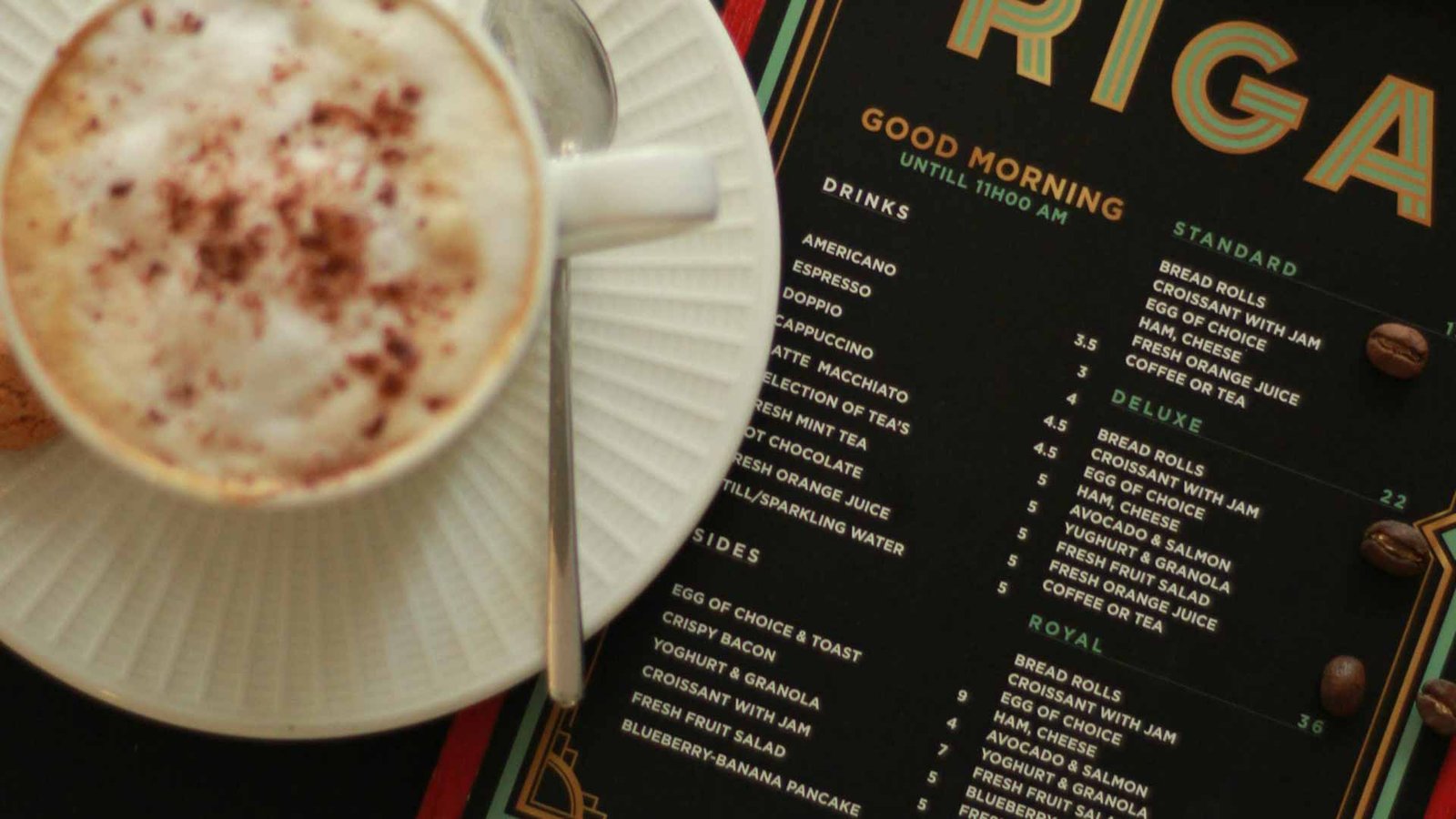

A restaurant menu is more than a list of dishes; it’s your brand’s most persuasive salesperson, revenue lever, and operational blueprint all wrapped into one. A well-engineered menu raises your average check, supports cost control, reduces waste, and keeps the kitchen running like a well-rehearsed performance. Restaurants that treat the menu as a living business tool consistently outperform those that don’t.
This expanded guide walks you through practical, sales-first menu engineering: what stays, what goes, what gets promoted, and why. It’s designed for operators who want both immediate wins and long-term scalability.
Why Menu Engineering Matters for Profit and Scale
Every dish on your menu has far-reaching implications: food cost, labour hours, prep workload, inventory complexity, equipment usage, ticket times, guest satisfaction, and even staff training. Menu engineering isn’t just about deciding what looks pretty or tastes great; it’s a strategic exercise that determines whether your restaurant becomes scalable or remains stuck in daily firefighting mode.
For brands aiming to scale, menu consistency becomes currency. Investors, franchise partners, and multi-unit operators all rely on predictable margins and reproducible product quality. A dish that works beautifully in one location but breaks the workflow in another is not scalable.
When menu engineering is paired with portion control systems, standardized recipes, smart pricing, and clear workflows, the result is powerful: a brand that grows without reinventing itself in every location.
Start With Five Fundamentals (Quick Checklist)
Before touching a single item, build a clear baseline. These fundamentals keep decision-making grounded in data rather than opinions:
- A sales mix and contribution margin analysis so you know exactly what makes money and what drains it.
- Portion control and yield testing for every plated item: no assumptions, real measurements.
- An assessment of prep time, station load, and equipment demands.
- Pricing alignment with perceived value and your competitive position.
- An operational complexity score based on steps, handoffs, and SKU requirements.
With these, you can place every item into the four classic quadrants: Stars, Plowhorses, Puzzles, and Dogs. This simple classification reveals your biggest opportunities and your biggest liabilities.
What to Keep: Criteria and Tactics
When deciding which items deserve a permanent home on your menu, it’s not enough to cling to dishes just because they sell well. The goal is to keep items that actively contribute to profit, reinforce your brand identity, and create operational consistency. A strong menu keeps dishes that serve a purpose beyond popularity.
For example, your Stars (the holy grail items that are both profitable and loved by guests) naturally stay. These are the crown jewels of the brand, the items customers return for, talk about, and instinctively recommend. Removing them would feel like removing a foundational piece of what makes your restaurant “your restaurant.”
Right beside them are the Plowhorses with brand power. These aren’t always margin-friendly, but they’re emotionally loaded dishes that build loyalty and tradition. Guests might visit specifically for your signature soup or the iconic appetizer you’ve served for years. Even if they need margin tweaks or portion adjustments, they’re too valuable to cut, as they anchor the guest experience.
There are also strategic items that support cross-utilization. These dishes earn their keep by sharing ingredients with multiple other menu components. This strengthens operational efficiency, reduces food waste, and protects your margins even when ingredient costs fluctuate. A dish doesn’t have to be a bestseller to be worth keeping, sometimes its biggest strength is that it helps the entire menu run leaner.
But keeping these items requires strategy. They can’t be allowed to drift into inconsistency or cost chaos. This is where standardization makes or breaks the game. Using tools like scoops, molds, pre-portioned proteins, and measured garnishes ensures every dish is plated the same way across all shifts, staff levels, and locations. It removes guesswork, stabilizes food cost, and protects the brand presentation.
Recipe cards and visual plating guides become a non-negotiable part of this process. When every cook and chef has the exact, clear instructions, you eliminate the risk of portion creep, improvisation, and inconsistency that can quietly erode your profit over time.
Place optional upgrades or premium garnishes in the modifier section. You can also protect margins intelligently by shifting premium elements into the modifier section instead of inflating the baseline price of a dish. Optional upgrades like premium cheeses, truffle drizzle, avocado add-ons, or higher-grade proteins allow guests to personalize while naturally increasing check average. The base dish stays cost-stable, and upsells become a revenue booster instead of a cost burden.
This entire philosophy reflects ERC’s approach perfectly, the understanding that a restaurant cannot scale or stay profitable if plating is “chef-dependent.” And standardization isn’t just about replicating looks; it’s about ensuring that the dishes you choose to keep can be consistently profitable and consistently executed. When your keep-worthy items are stable, cost-controlled, and unmistakably “yours,” they support everything else on the menu.
What to Cut: Ruthless, Evidence-Based Pruning
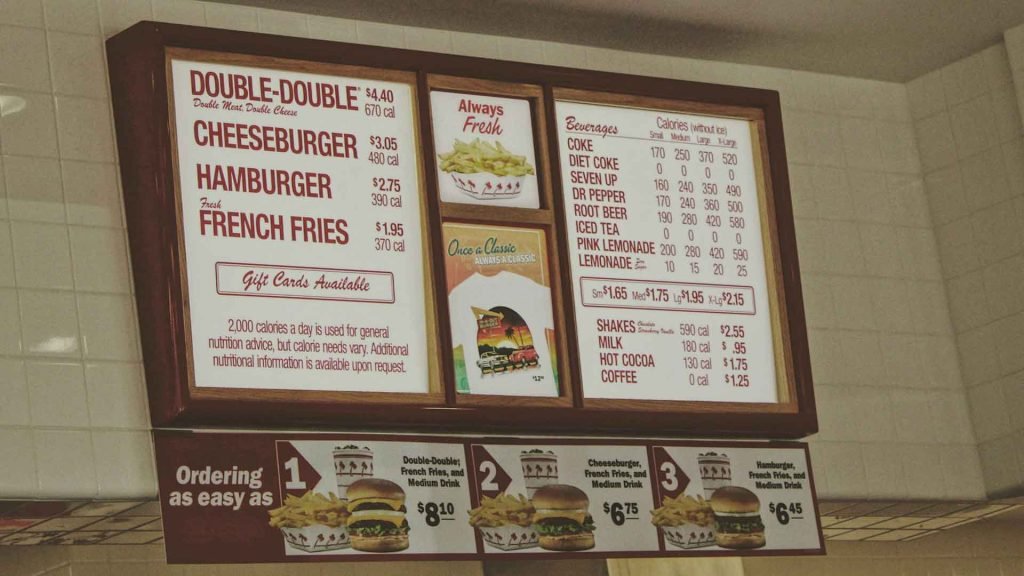
Cutting dishes can feel emotional for many operators, but when done correctly, it’s one of the most liberating and profitable decisions you can make. Removing just three or four problem items can reduce waste, shorten prep lists, eliminate SKUs, and dramatically speed up the line.
Common candidates for removal
- Dogs: low popularity, low margin, high drama.
- Location-specific “passion projects” that break when replicated across units.
- Items with single-use ingredients that spike waste or complicate ordering.
How to prune without upsetting guests
Pruning a menu doesn’t have to upset guests if you handle it with a bit of finesse. One of the easiest ways to soften the impact is to keep parts of the removed dish alive as add-ons or in a build-your-own format. Maybe the full entrée disappears, but the sauce, protein, or signature topping stays available. Guests still get what they loved, and your kitchen stays streamlined.
You can also bring the cut item back as a seasonal or limited-run feature. A slightly elevated price and a “limited availability” tag help you measure real demand. If people truly miss it, they’ll show you. If not, you’ve confirmed the dish didn’t deserve full-time residency.
Another smooth approach is to introduce a replacement dish that echoes the original but uses ingredients you already have. It feels familiar enough for loyal guests, yet it aligns with your new operational and cost-control goals.
These tactics make pruning feel intentional and guest-friendly, turning potential disappointment into a sense of thoughtful evolution.
What to Promote: Design, Psychology, and Salesmanship
Promotion isn’t about plastering stars on the menu. It’s subtle psychology rooted in eye movement, layout, and value communication.
Smart Visual Hierarchy
The way a menu looks can quietly guide customers toward your most profitable dishes. Soft shading, a subtle box, or a tasteful graphic can highlight high-margin items without feeling flashy or desperate. These gentle design cues naturally pull the eye where you want it to go. And placement matters just as much: the top-right corner, the center of the page, and the first item in any category are high-attention zones. Putting your Stars in these hot spots increases their visibility and sales without a single word of upsell.
Descriptions and Pricing Psychology
A dish’s description can make or break its perceived value. Short, evocative wording like “slow-braised,” “locally sourced,” or “hand-tossed” elevates a plate instantly. Pricing format matters too. Avoid left-aligned prices that turn your menu into a comparison list. When possible, remove currency symbols altogether; they can trigger budget-focused thinking. These small psychological cues help guests focus on the food, not the cost.
Server-Driven Upselling
Your servers are low-key revenue machines when they’re properly equipped. A few simple scripts (three high-margin dishes they can recommend with genuine enthusiasm, plus two premium add-ons they can weave naturally into conversation) can generate thousands in extra monthly revenue. The key is consistency: training should be short, simple, and identical across locations so the guest experience scales smoothly.
Promotional Channels
High-margin dishes deserve the spotlight beyond the printed menu. Rotating them into weekly features is an easy way to create trial and excitement. Digital menus and online ordering platforms give you another boost: place premium add-ons or sides where customers see them during checkout, and you’ll capture extra revenue with zero pressure and minimal effort.
Pricing Strategy: Protect Margin, Respect Positioning
Guests read pricing the way they read tone: instantly, subconsciously, and emotionally. A strong pricing strategy communicates confidence, quality, and market positioning. Your goal is to ensure every number on that menu reinforces the identity you’re building, not undermines it.
Use Anchors to Shape Perception
Introducing a premium-priced anchor item immediately changes how the rest of the menu feels. A $42 steak makes your $29 signature entrée look more accessible, even if that entrée carries your best margin. Anchors aren’t meant to sell in high volume; they’re psychological tools that pull the entire value ladder upward. ERC often uses this strategy when repositioning a brand into a higher-quality tier without shocking regulars.
Offer Tiered Versions Without Diluting Value
Tiered versions, a classic, premium, and “chef’s signature” variation, let you reach price-sensitive guests while still appealing to the ones who love to spend. This approach widens your audience without cheapening your image. The key is differentiation: the higher tiers must feel like an experience upgrade, not just an upsell for the sake of it. Think portion size, protein quality, plating elegance, or included sides.
Incremental Increases Paired With Perceived Upgrades
One of the most effective pricing tools is tiny, consistent adjustments paired with visible improvements. You might raise the price by a dollar or two but pair it with something guests can see: a more refined plate, an upgraded garnish, a better cut, or a choice of side. People pay more willingly when they feel they’re getting more, even if your backend cost barely moved. This is how you protect margin without disrupting loyalty.
Let Pricing Evolve With Demand and Brand Growth
Pricing should never be static. Demand shifts, competition changes, and your brand matures. ERC’s philosophy is to revisit pricing quarterly: evaluate what’s selling, what’s slipping, and where you’ve earned permission to charge more. As your food quality, service, and brand story strengthen, your pricing can grow with you.
Operational Alignment: Menu Must Match the Kitchen
A profitable menu becomes a liability if your kitchen can’t execute it flawlessly during rush hour. Every dish must match your labour model, kitchen layout, and ticket time goals.
To keep the kitchen sane, do these:
- Map prep time, cook time, mise en place, and station load for each dish.
- Trim down SKUs to what your kitchen can truly support.
- Use batchable components, pre-prep lists, and standardized workflows to speed up service.
- For multi-unit operators, consider commissary models or shared prep to reduce local labour strain.
Consistency is what lets restaurants expand without losing their soul.
Testing and Iteration: A 90-Day Roadmap
Here’s a realistic timeline many operators follow:
| Timeline | Focus | What You Do |
| 0–30 Days | Data & Hygiene | Gather 60–90 days of sales, cost, and waste data. Run yield tests on unstable recipes to fix portions and costs. Observe the line during peak hours to spot bottlenecks and operational pain points. |
| 30–60 Days | Experiments | Rework one Plowhorse into a higher-margin version and test guest response. Promote a Puzzle item to see how visibility affects demand. Test small menu layout changes and monitor shifts in check averages. |
| 60–90 Days | Scale | Roll out successful changes across all locations. Update SOPs, training modules, ordering guides, and plating documentation. Retest KPIs after launch to confirm improvements hold under real pressure. |
KPIs That Prove Impact
Track what matters, not just what’s easy to measure:
- Average check (split by daypart, channel, and server)
- Contribution margin per item
- Food cost percentage and variance
- Ticket times and throughput
- Waste levels and inventory turns
- Sales mix before/after engineering changes
The magic happens when you connect improvements in KPIs to menu decisions and operational tweaks.
Final Checklist Before Publishing a New Menu
Before you hit “print,” confirm:
- Every item is profitable and operationally feasible.
- Portion guides, plating standards, and training are ready.
- Pricing communicates value (not discount desperation).
- Servers have simple, effective selling lines.
- Inventory and SOPs match the new menu structure.
If those boxes are all checked, the menu is ready for real-world deployment.
Menu Engineering as a Systems Play
Menu engineering works only when the culinary, operational, and financial sides of the business move in sync. When your menu aligns with systems, manuals, workflows, labour models, and your pricing strategy, it becomes your most powerful growth engine.
Think of the menu as the spine of your brand. Strengthen it with systems, support it with training, and refine it with data, and you’ll build a restaurant that grows consistently, profitably, and sustainably.
Need our help in profit-focused menu planning, portion control, and pricing strategy that improves margins and simplifies operations? Let’s chat! Book a consultation with us today!